Dr Darika Positions “Education” as Key to Thailand’s Future Competitiveness


- Newsletter
- VisionaryDPU
- SDGs 4
- SDGs 8
- SDGs 17
As nation eyes regional education hub status, int'l schools are equipping students with the skills needed to thrive in an AI-driven world
From English-language proficiency to critical thinking, international schools have become a trusted choice for families seeking to provide their children with strong educational foundations and enhanced career opportunities. The sector's leadership in education has also contributed innovative academic approaches to address emerging global challenges, while generating economic value estimated at 95 billion baht in Thailand alone.

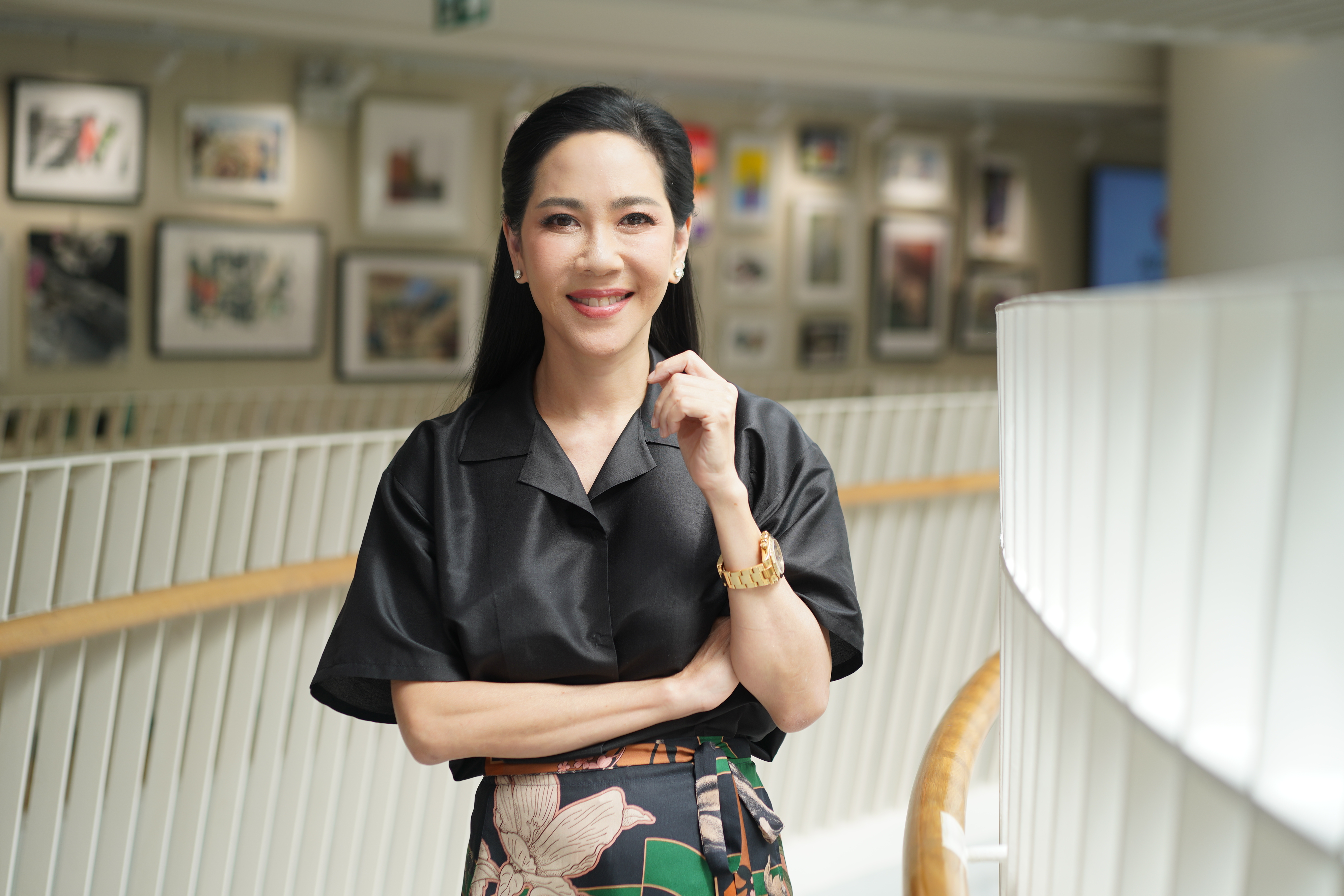
As the nation positions itself as a regional education hub, Dr Darika Lathapipat, chairperson of the Board of Governors of Wellington College International School Bangkok and the International Business Director of Wellington College, said the country must remain mindful of growing competition from neighbouring markets.
“Malaysia is the leading country in Southeast Asia, having pursued a clear strategy to establish itself as both an education hub and a medical and wellness hub for more than a decade,” said Dr Darika. “International schools compete globally for talent. If Thailand wants to attract the best teachers, administrative processes must be efficient and convenient.”
She believes Thailand remains highly competitive due to its quality of life, reasonable cost of living and the relative ease with which expatriates can settle in the country. In addition, greater availability of land allows international schools to offer more spacious campuses and outdoor facilities than those typically found in Singapore.
However, the key challenge facing international schools today and in the years ahead is how they adapt to an AI-driven world while continuing to provide the best opportunities for students.
“Technology will continue to evolve faster than we can predict. The one constant is humanity itself. Education should not merely prepare students for jobs that may disappear. It should prepare them to become thoughtful, adaptable and compassionate human beings who can thrive in an uncertain world.”

She noted that global discussions on education are increasingly shifting away from measuring academic achievement alone towards assessing signals of human flourishing — the ability to lead meaningful, resilient and socially connected lives.
In defining a successful graduate as a global citizen, Dr Darika said future-ready students will need empathy and emotional intelligence alongside critical and analytical thinking. Other essential qualities that cannot be replaced by technology include systems thinking, creativity and innovation, as well as strong communication and collaboration skills.
“Success in the future will depend not only on academic achievement but also on a person's ability to learn, collaborate and solve complex problems.”

Beyond the development of international school students, Dr Darika emphasised the importance of supporting Thailand's ambition to become a global education hub. She said the domestic higher education sector has a crucial role to play in attracting graduates from international schools in Thailand, as well as students from overseas.
Thailand risks losing competitiveness in higher education because much of the national higher education system has been designed primarily for Thai students following traditional learning pathways, creating an academic divide for students from different educational backgrounds.
“Thailand has already begun piloting Competency-Based Education (CBE) in around 4,000 of the country's 35,000 schools. This approach focuses on what students can do rather than what they can memorise. Early results are encouraging, but large-scale implementation takes time.”
Wellington College International School Bangkok is among Thailand's leading international institutions supporting efforts to strengthen the country's education system.
Dr Darika said the school has partnered with schools in Chaiyaphum province to expand learning opportunities for both students and teachers. One objective is to bring teachers from partner schools into the Wellington College system, allowing them to learn from international best practices before applying those experiences within their own communities.
“Teacher development creates a multiplier effect. We actively recruit Thai teaching assistants and provide them with opportunities to learn within an international school environment. After several years of training and experience, many go on to work in other schools and share what they have learned.”

This transfer of knowledge benefits not only individual educators but also the wider education system. Ultimately, human capital development extends far beyond students alone. By investing in teachers, schools can help raise educational standards across the country.
In conclusion, Dr Darika said curriculum reform and teacher development must go hand in hand if Thailand is to strengthen its position in education. Effective training and support for teachers have a direct impact on student outcomes, while structural reforms relating to school size and resource allocation are equally important. Strong foundations must be established before broader operational improvements can succeed.
Story & Photos: From Bangkok Post 80th Anniversary Special Edition: VISION THAILAND: THE NEXT ERA BEGINS (Aug 14, 2024, pp. 64–65) by Jutamas Tadthiemrom